

Process, Benefits & Industrial Applications Explained
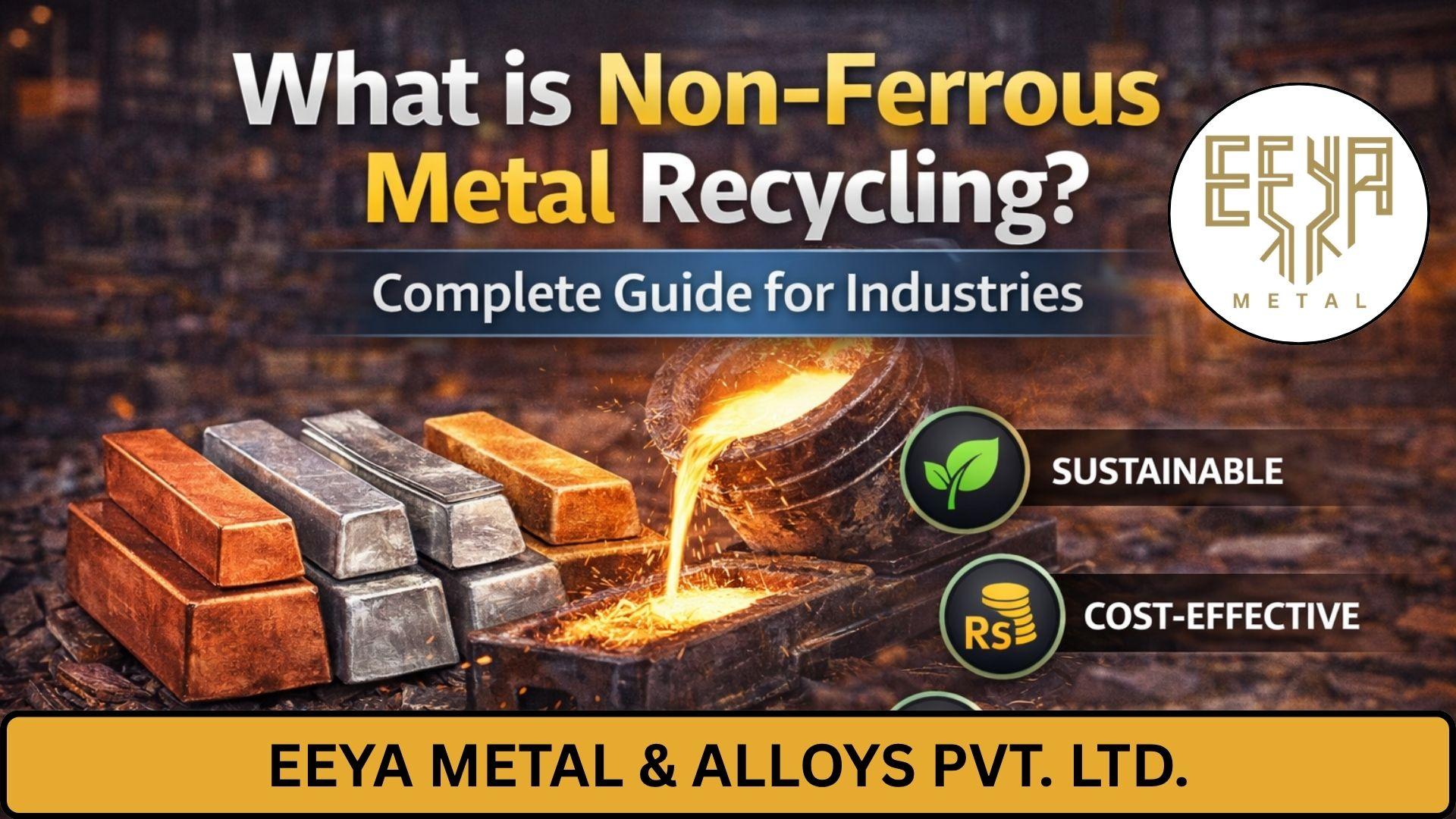
In today’s industrial ecosystem, non-ferrous metal recycling has become a cornerstone of sustainable and cost-efficient manufacturing. With rising raw material costs and increasing environmental concerns, industries are actively shifting toward recycling metals such as lead, tin, copper, aluminum, and silver.
Non-ferrous metals can be recycled multiple times without losing their properties, making them highly valuable for a circular economy.
In this complete guide, we’ll explore what non-ferrous metal recycling is, how it works, its benefits, and why it is essential for modern industries.
What Are Non-Ferrous Metals?
Non-ferrous metals are metals that do not contain iron as their primary component.
Common Non-Ferrous Metals:
-
Lead
-
Tin
-
Copper
-
Aluminum
-
Silver
-
Antimony
Key Properties:
✔ Corrosion resistance
✔ High electrical & thermal conductivity
✔ Lightweight structure
✔ Excellent recyclability
These properties make them ideal for industries like battery manufacturing, electronics, automotive, and infrastructure.
Also Read: Why Lead is Recycled
What is Non-Ferrous Metal Recycling?
Non-ferrous metal recycling is the process of collecting, processing, refining, and reusing scrap metals without losing their original properties.
👉 Simple Definition:
It is the conversion of scrap non-ferrous metals into high-purity reusable metal for industrial use.
Unlike many materials, these metals can be recycled repeatedly, making them a sustainable and cost-effective resource.
Step-by-Step Process of Non-Ferrous Metal Recycling
1. Collection & Segregation
-
Scrap collected from industries, batteries, and electronics
-
Sorted based on metal type
2. Cleaning & Pre-Treatment
-
Removal of impurities like plastic, oil, and rubber
-
Improves efficiency during processing
3. Melting & Refining
-
Metals melted in furnaces
-
Chemical and thermal processes remove impurities
4. Purification
-
Advanced refining ensures high purity (up to 99.98%)
5. Casting & Solidification
-
Converted into ingots, billets, or custom alloys
6. Quality Testing
-
Lab testing for composition and industrial standards
Also Read: Applications of Lead in Modern Industries
Key Benefits of Non-Ferrous Metal Recycling
1. Cost Reduction
-
Lower raw material costs
-
Reduced production expenses
-
Improved profit margins
2. Energy Efficiency
Recycling requires significantly less energy compared to mining.
👉 Example: Aluminum recycling saves up to 95% energy
3. Environmental Sustainability
-
Reduces mining activities
-
Lowers carbon emissions
-
Minimizes industrial waste
4. Unlimited Recyclability
Non-ferrous metals can be reused without losing quality.
5. Resource Conservation
-
Preserves natural metal reserves
-
Supports circular economy
Applications of Recycled Non-Ferrous Metals
Recycled metals are widely used across industries:
Battery Industry
-
Lead recycling for lead-acid batteries
Electronics
-
Tin and silver in soldering & PCBs
Automotive
-
Lightweight metals for fuel efficiency
Construction
-
Durable and corrosion-resistant materials
Energy & Power
-
Copper and aluminum for electrical systems
Importance in ESG & Sustainable Manufacturing
Non-ferrous metal recycling plays a key role in ESG (Environmental, Social, Governance) goals:
✔ Reduces environmental impact
✔ Promotes responsible sourcing
✔ Enhances brand reputation
✔ Supports sustainable growth
Challenges in Metal Recycling
Despite its advantages, recycling involves:
-
Complex segregation processes
-
Maintaining high purity levels
-
Handling hazardous materials (like lead batteries)
-
Regulatory compliance
👉 This makes it essential to work with experienced and certified recyclers.
Also Read: Lead, Tin & Antimony Uses
Why Choose EEYA Metal & Alloys Pvt. Ltd.?
At EEYA Metal & Alloys Pvt. Ltd., we specialize in:
✔ High-purity non-ferrous metals (up to 99.98%)
✔ Advanced recycling & refining processes
✔ Strict quality control systems
✔ Customized alloy manufacturing
✔ Reliable industrial supply
We ensure that recycled metals meet industrial-grade performance standards every time.
Conclusion
Non-ferrous metal recycling is not just an eco-friendly practice—it is a strategic advantage for modern industries.
By recycling metals like lead, tin, and copper, manufacturers can:
-
Reduce costs
-
Improve efficiency
-
Ensure sustainable production
-
Build a future-ready supply chain
If you're looking for a reliable non-ferrous metal supplier in India offering high-purity recycled metals, EEYA Metal & Alloys delivers unmatched consistency and industrial-grade performance.
As industries continue to evolve, metal recycling will play a critical role in shaping a sustainable and efficient manufacturing ecosystem.


